

Majority of Sri Lankan migrant workers, around 73% of total are employed in Middle East countries contributing to the largest source of remittances for Sri Lanka. The present regional crisis creates immediate employment uncertainties and long- term challenges in the labour markets resulting severe uncertainties in the Sri Lankan economy and in the social life of migrant workers.
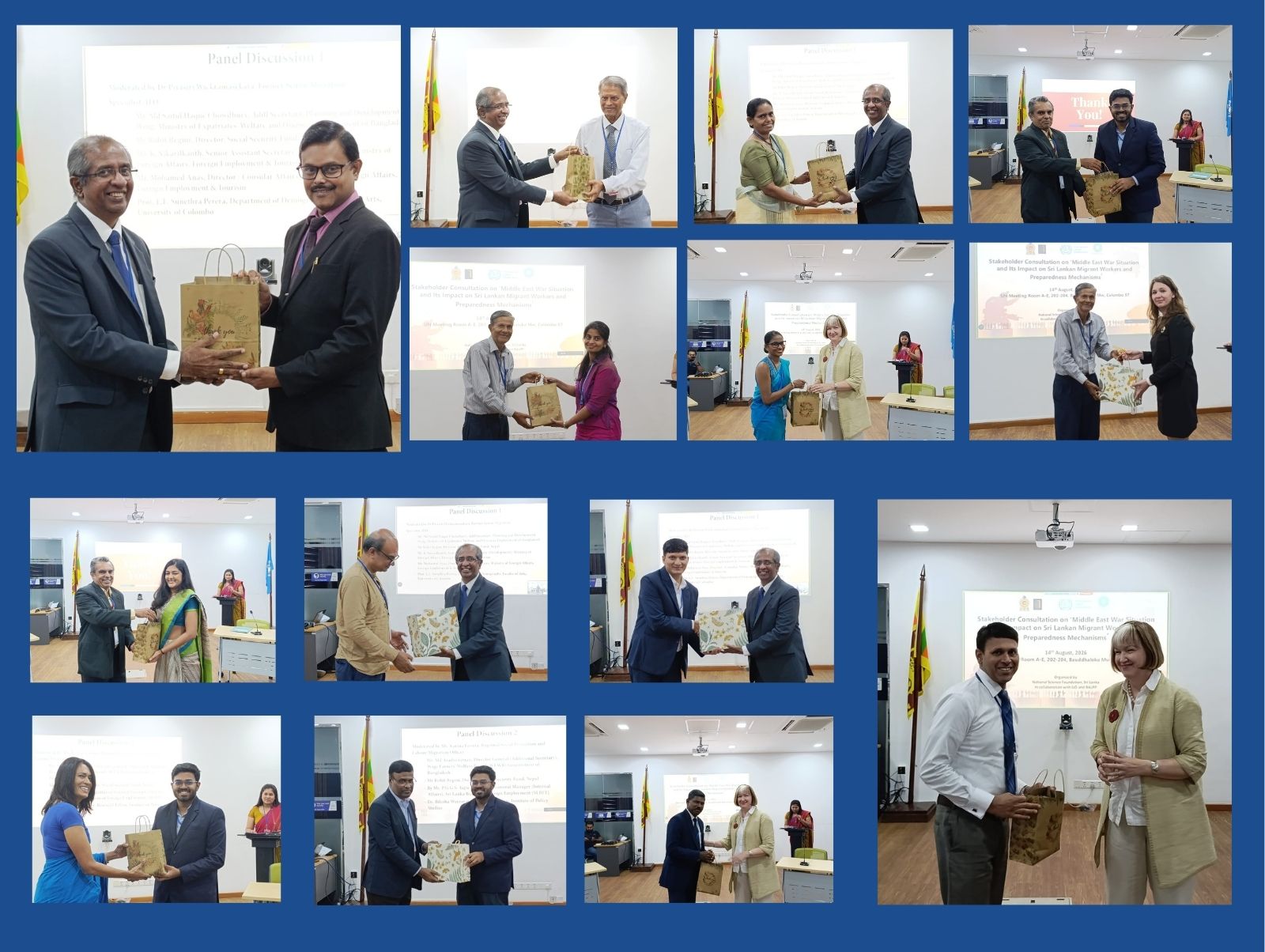
It is high time to address this scenario and propose actionable recommendations to mitigate sudden shocks that would be possible in the future. Recognizing this high-priority national concern, the NSF collaboratively organized a stakeholder consultation with the International labour organization (ILO) and Bandaranaike Academy for Leadership & Public Policy (BALPP) on “Middle East War Situation and Its Impact on Sri Lankan Migrant Workers and Preparedness Mechanisms” which was held on 14th August 2026 at UN Meeting Room A–E, 202–204, Bauddhaloka Mawatha, Colombo 07.
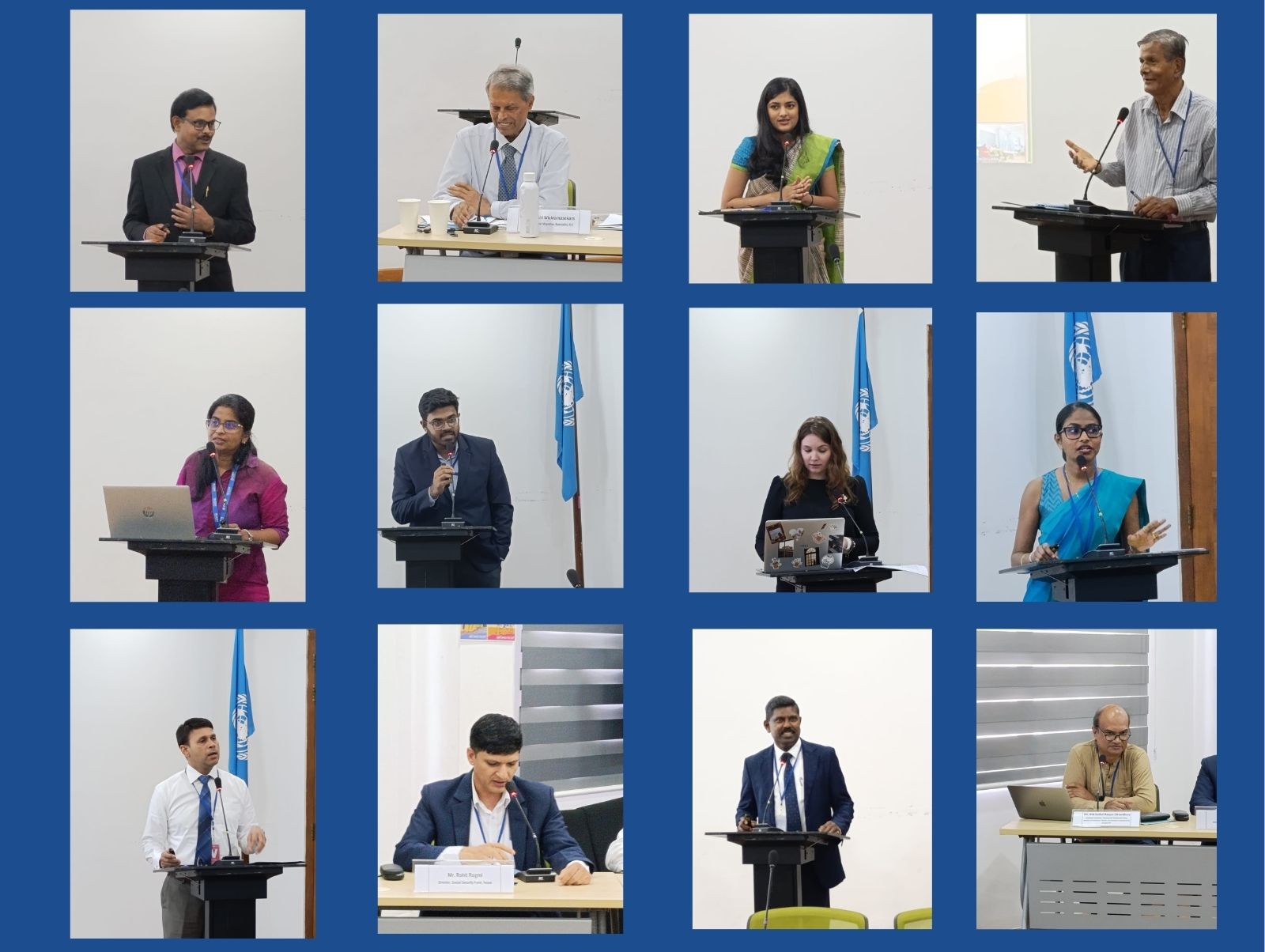
Addressing the gathering at the inaugural session, Dr. Sudath Samaraweera, Chairman of the National Science Foundation highlighted the objectives and importance of having this timely discourse. Ms. Joni Simpson, ILO Country Director (Sri Lanka and Maldives) addressed the audience briefing the ILO’s commitment in this area and Prof. Siri Hettige, Chairman of the NSF Working Committee on Social Sciences & Humanities (WCSSH) gave a valuable introduction to the issue.
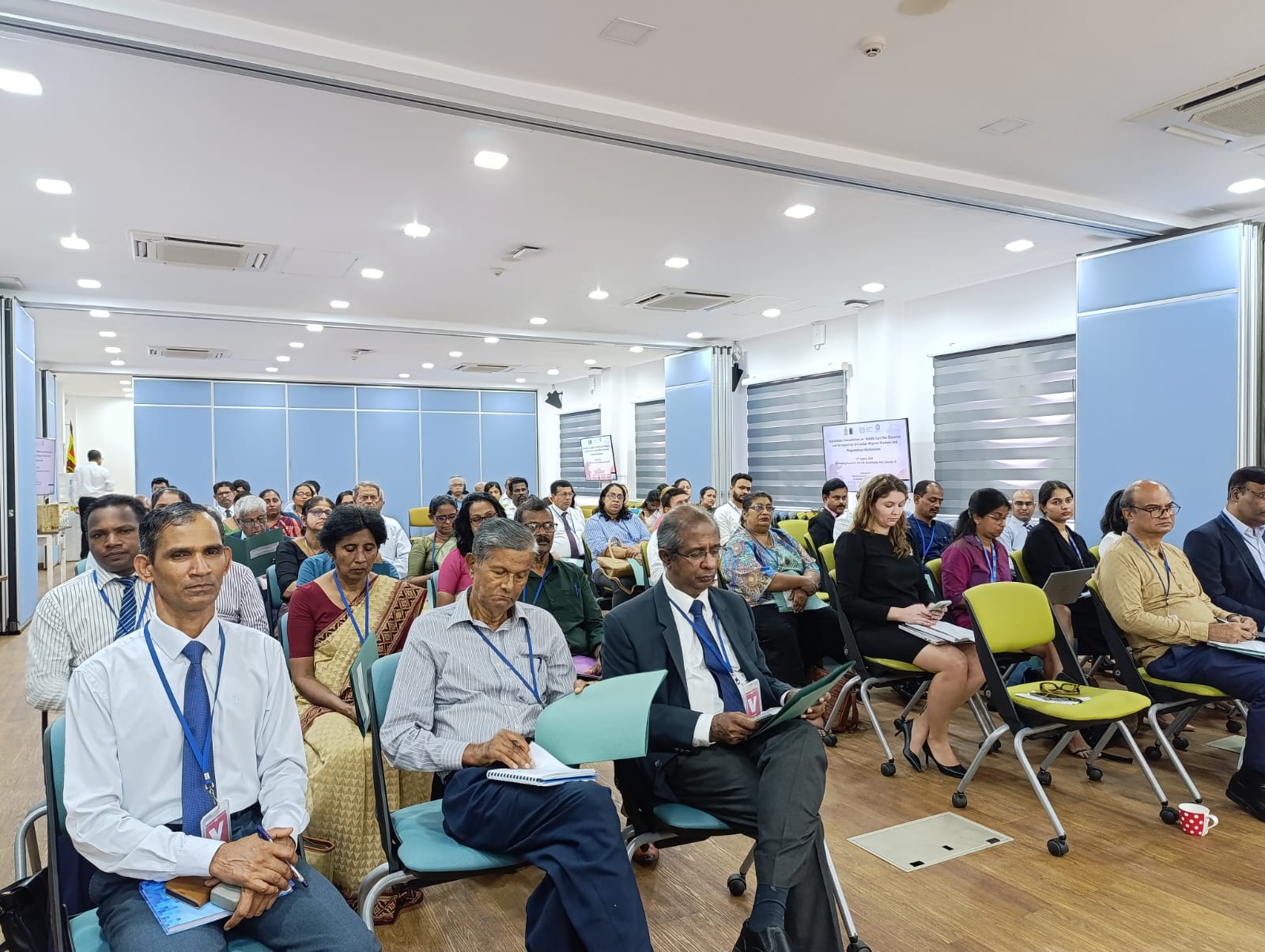
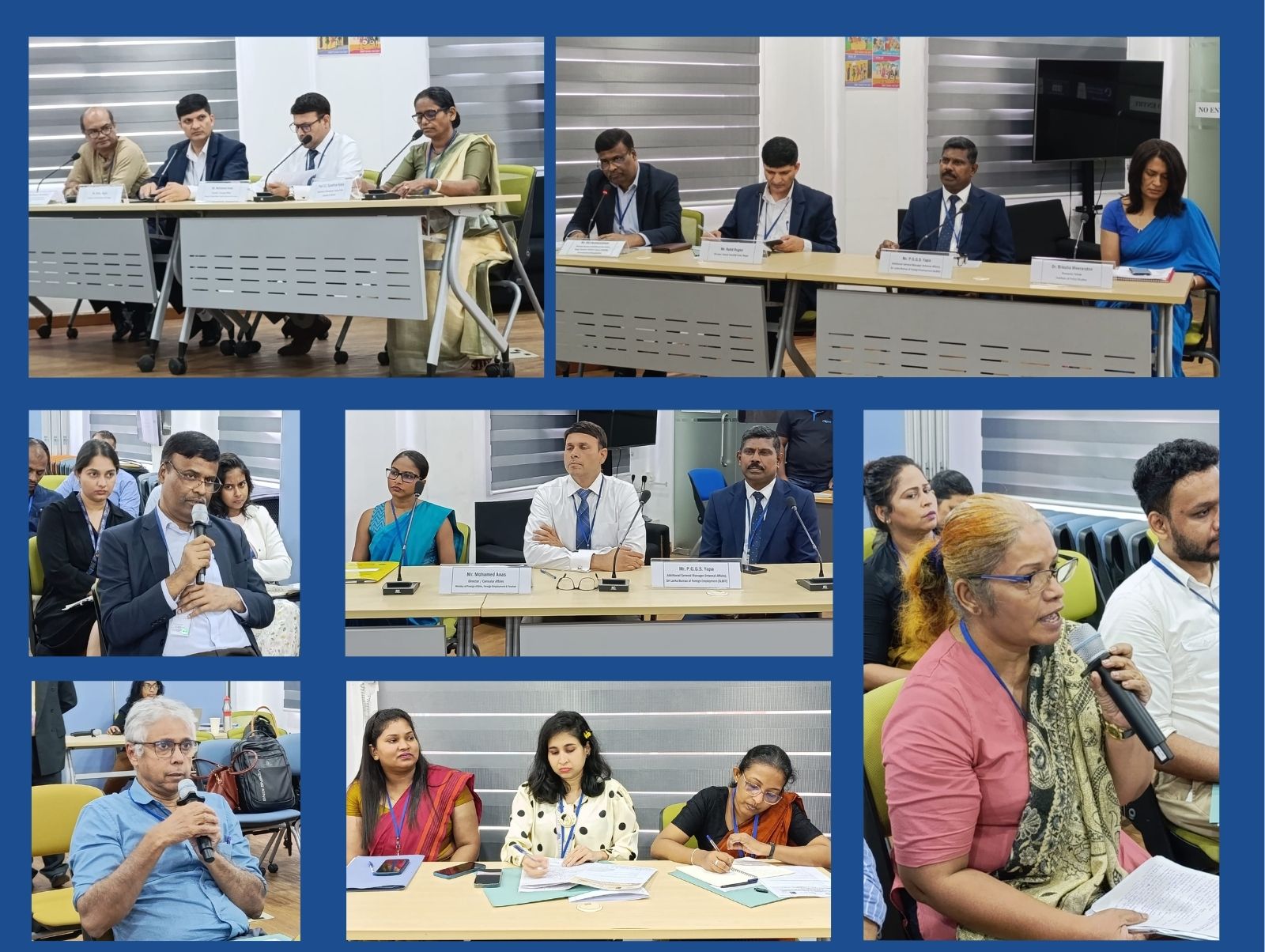
The consultative meeting created a platform for major key stakeholders to deliberate on the implications of the prevailing conflict situation in the Middle East for Sri Lankan migrant workers and proposed necessary contingency plans needed. Potential risks, existing institutional responses, gaps and mechanisms required to safeguard and improve the welfare and livelihoods of Sri Lankan migrant workers, and their families were also discussed extensively.
The meeting brought together around 85 representatives of relevant government institutions, international organizations, workers organizations, recruitment agencies and other stakeholders with an interest in labour migration. Accordingly, The Sri Lanka Bureau of Foreign Employment (SLBFE), Ministry of Foreign Affairs, Foreign, Employment & Tourism, Central Bank of Sri Lanka, ILO, International Organization for Migration (IOM) participated, presented and shared their experiences as major stakeholders where representatives from Bangladesh and Nepal brought foreign experience to the floor.
The entire consultation was streamlined along the two major directions which were to discuss the measures that should be taken in an adverse situation and to safeguard them by providing social protection. The recommendations surfaced through this consultation will be communicated with the stakeholders and relevant policy formulating bodies accordingly.